The Product
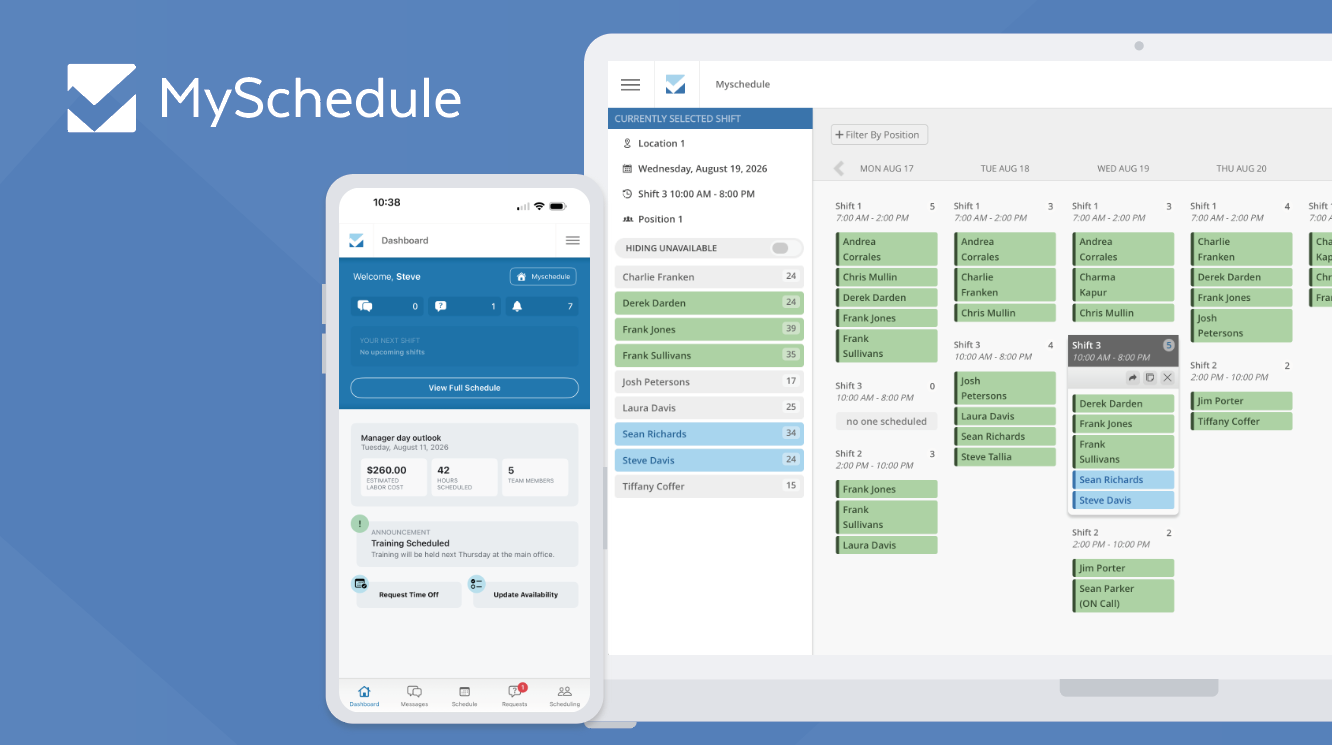
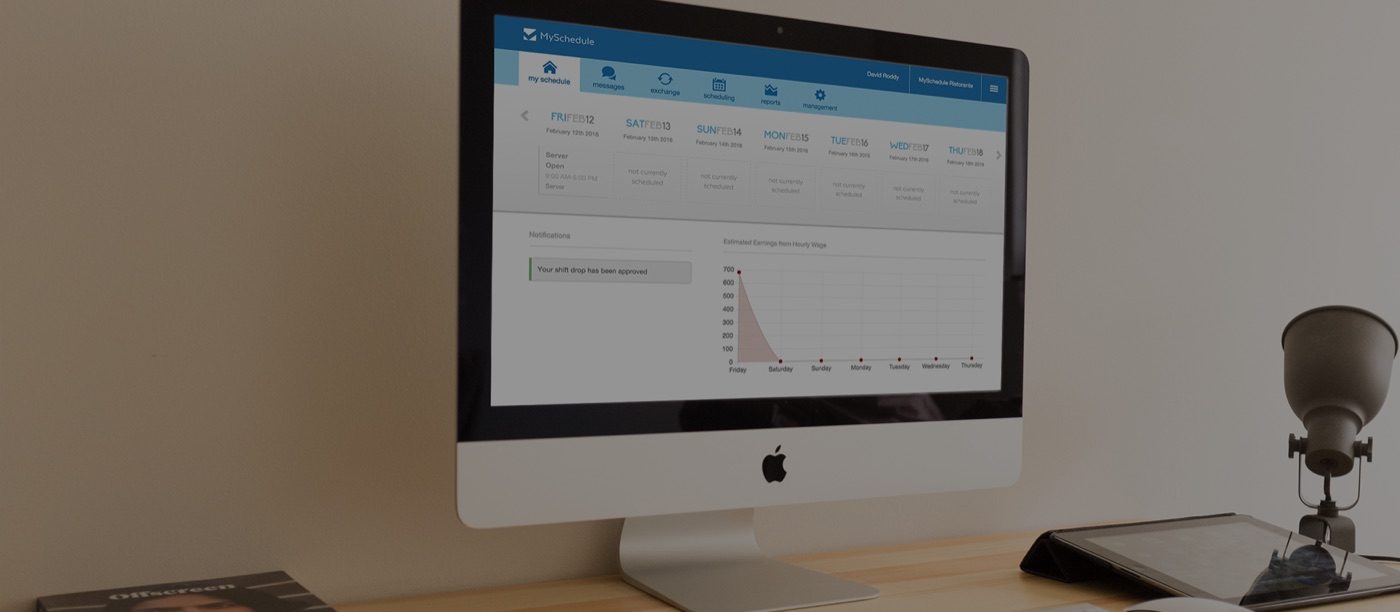
Designing the experience for an AI-native employee-scheduling platform for restaurants — from competitive research through to a mobile-first schedule.
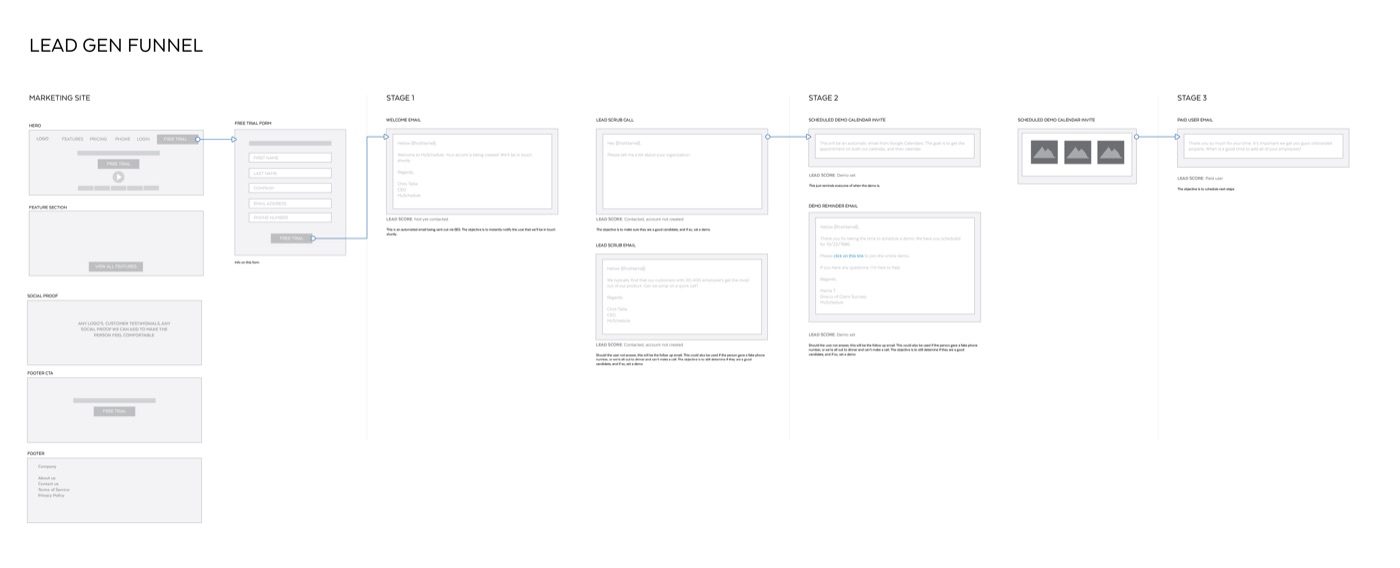
Product designer on a five-person, bootstrapped team, working alongside the founders. My responsibilities were the ones a UX designer typically carries: user and competitive research, defining the key flows, wireframes and prototypes, usability testing and iteration, visual and interaction design, and building out the design system. I also supported the marketing website and related marketing design as a secondary scope.
Scheduling tools for restaurants and shift-based teams are clunky and overbuilt for the independent operators who actually use them. An owner running one location needs software that removes work from their day. Most of what is available adds to it.
The only designer on the team. An AI-native product from the start, in a category dominated by established, well-funded competitors.
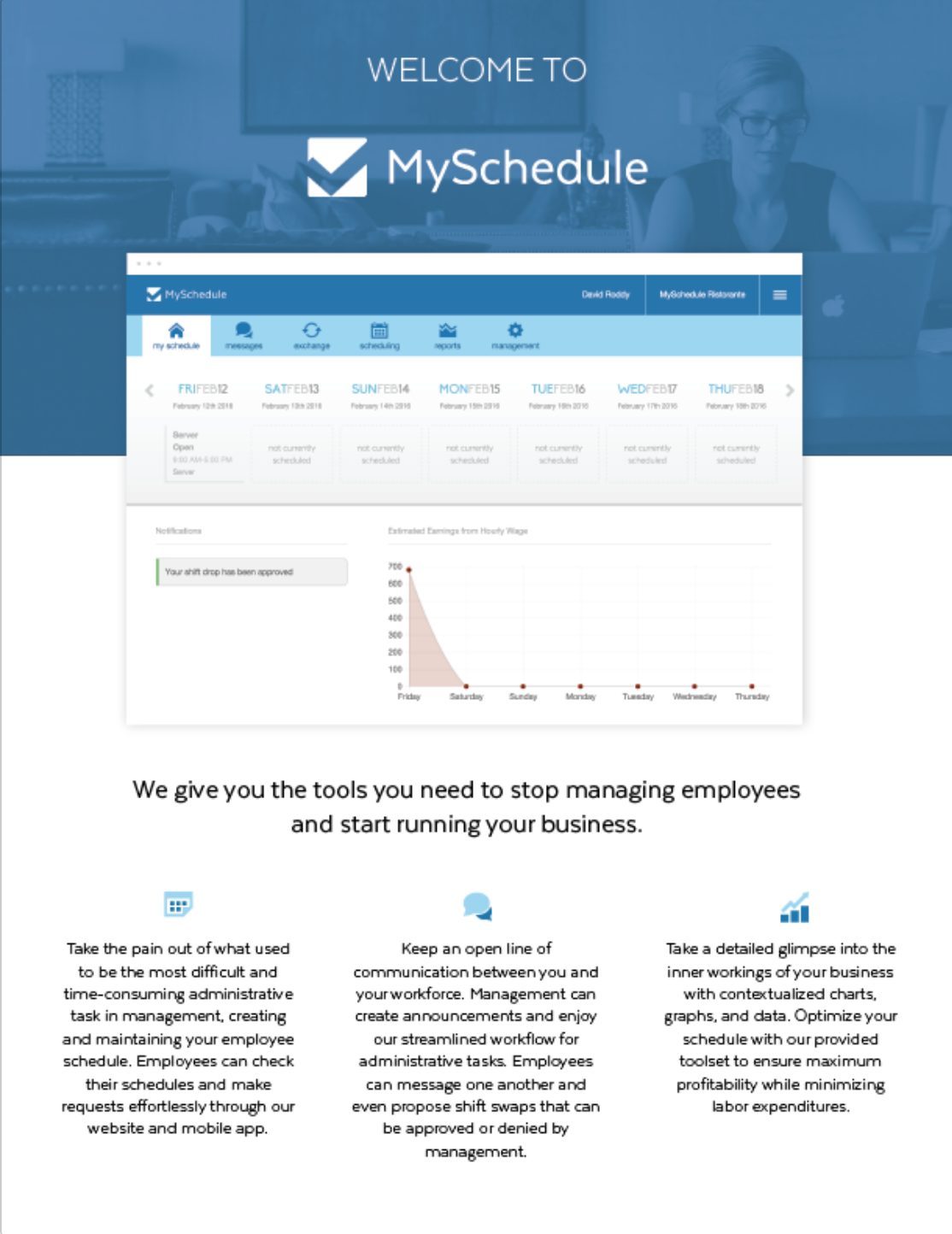
The work began with research: customer understanding, then a structured look at Homebase, When I Work, Deputy, and Connecteam to find the UX gaps each of them left open. Those gaps shaped the key flows, which I took through low-fidelity prototypes and rounds of usability iteration, then refined into the interface and the coded design system, working with the founders and the rest of the small team to turn each design into shipped features.
The commercial context shaped the brief. The product was positioned at $1.99 per user per month for restaurants and healthcare, with ease of use as the differentiator rather than feature count — which put the weight on the interface to carry the pitch.
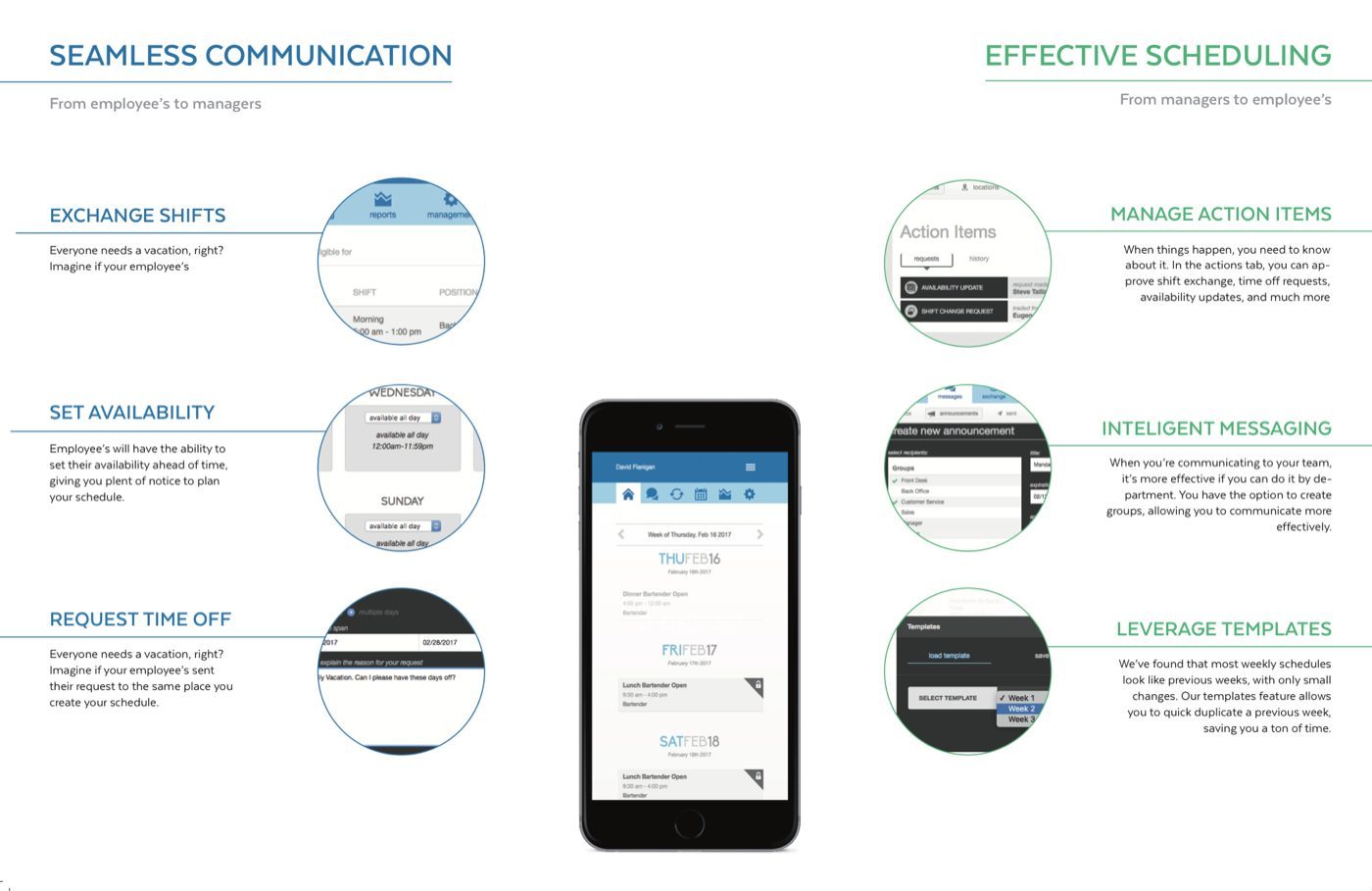
Mobile-first schedule management. Research kept surfacing the same two needs: clocking in and out, and managing schedules from a phone. The nuance was that managers still prefer to build and edit a schedule on a computer — but they need to make changes on the go. Designing for that split, rather than picking one, became the central bet.
A bootstrapped company of just five employees. We scaled it to thousands of paying users before I left.
Another great startup experience, as the product designer on a small team of tremendously talented founders I learned a great deal from.
AI-Assisted Build

Build-versus-buy judgment, then a full platform designed and shipped solo.
Read the case study →