Flows & Wireframes
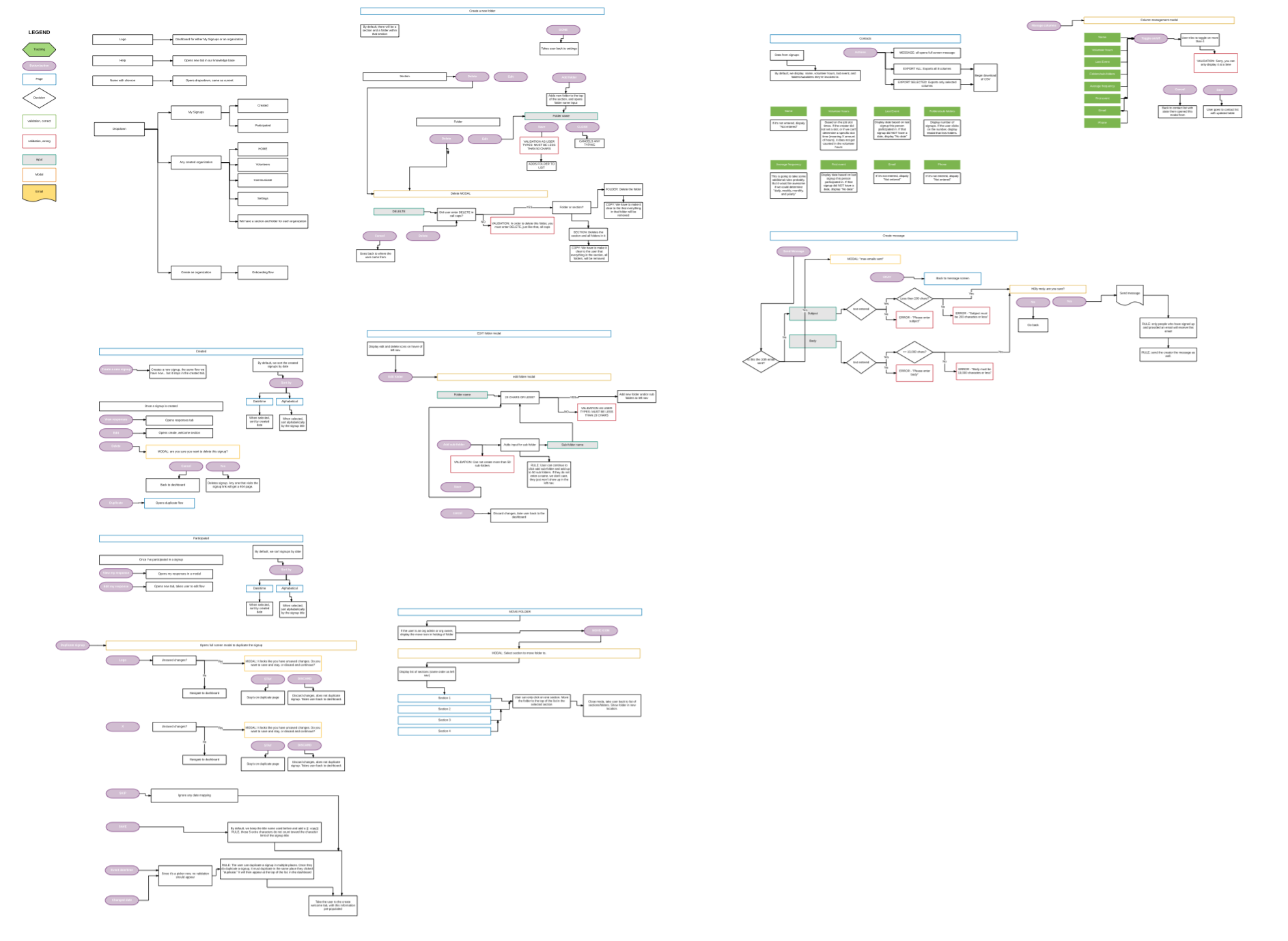
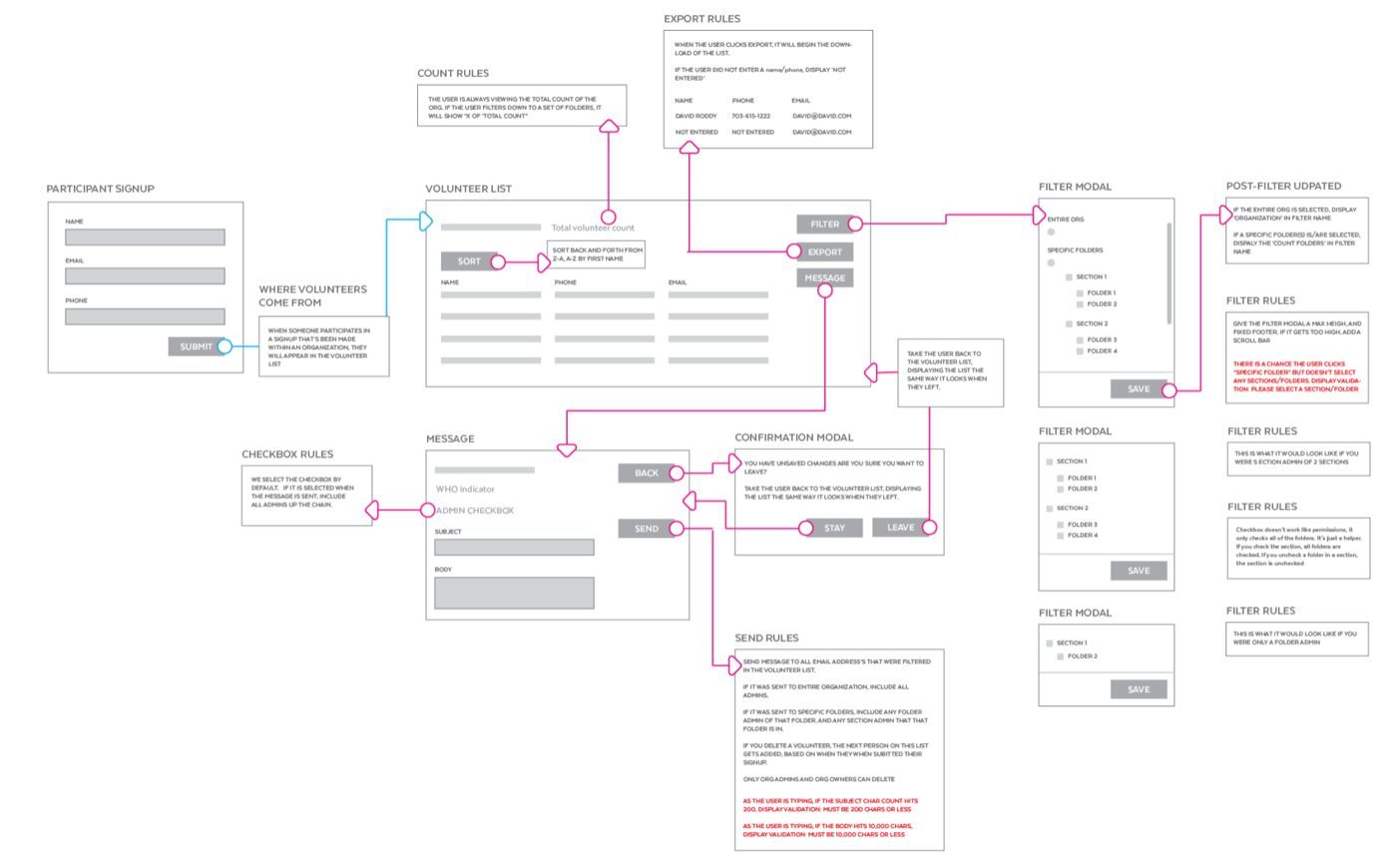
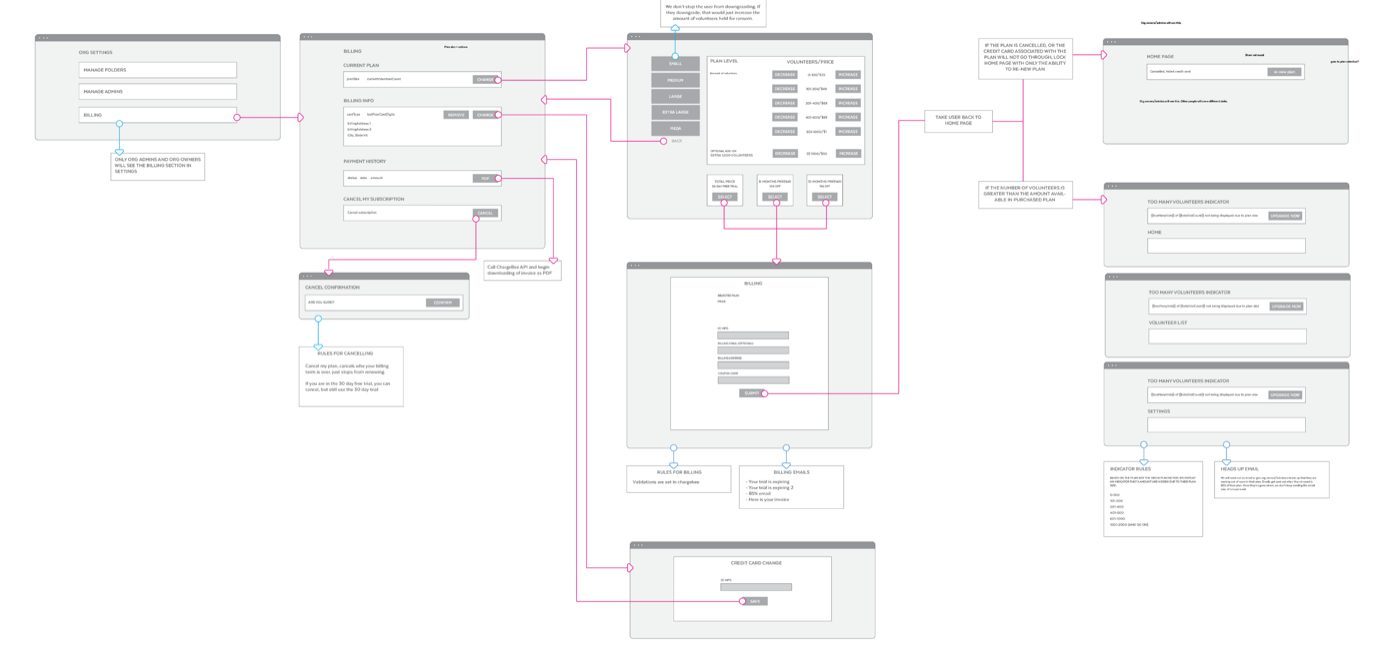
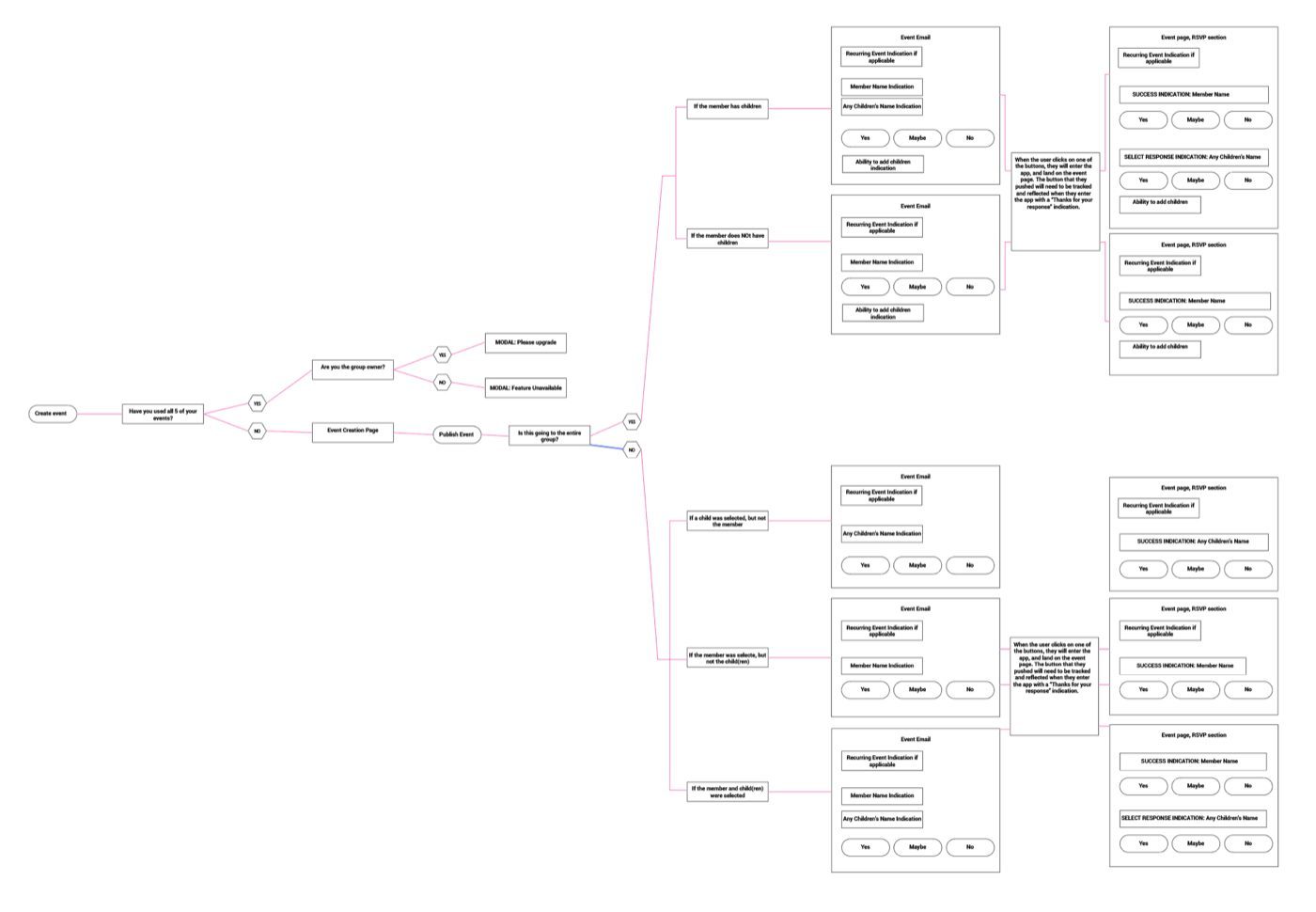
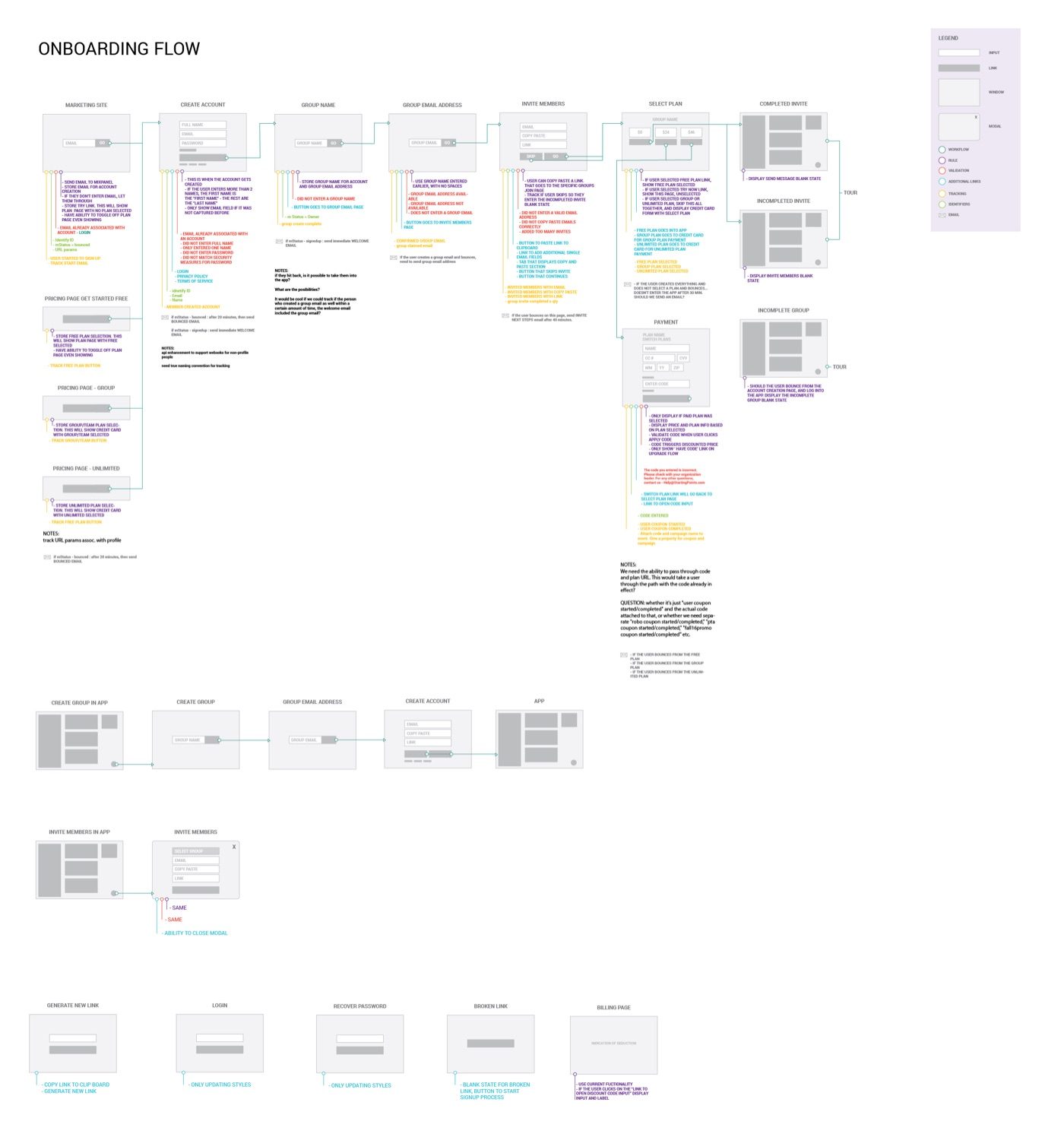
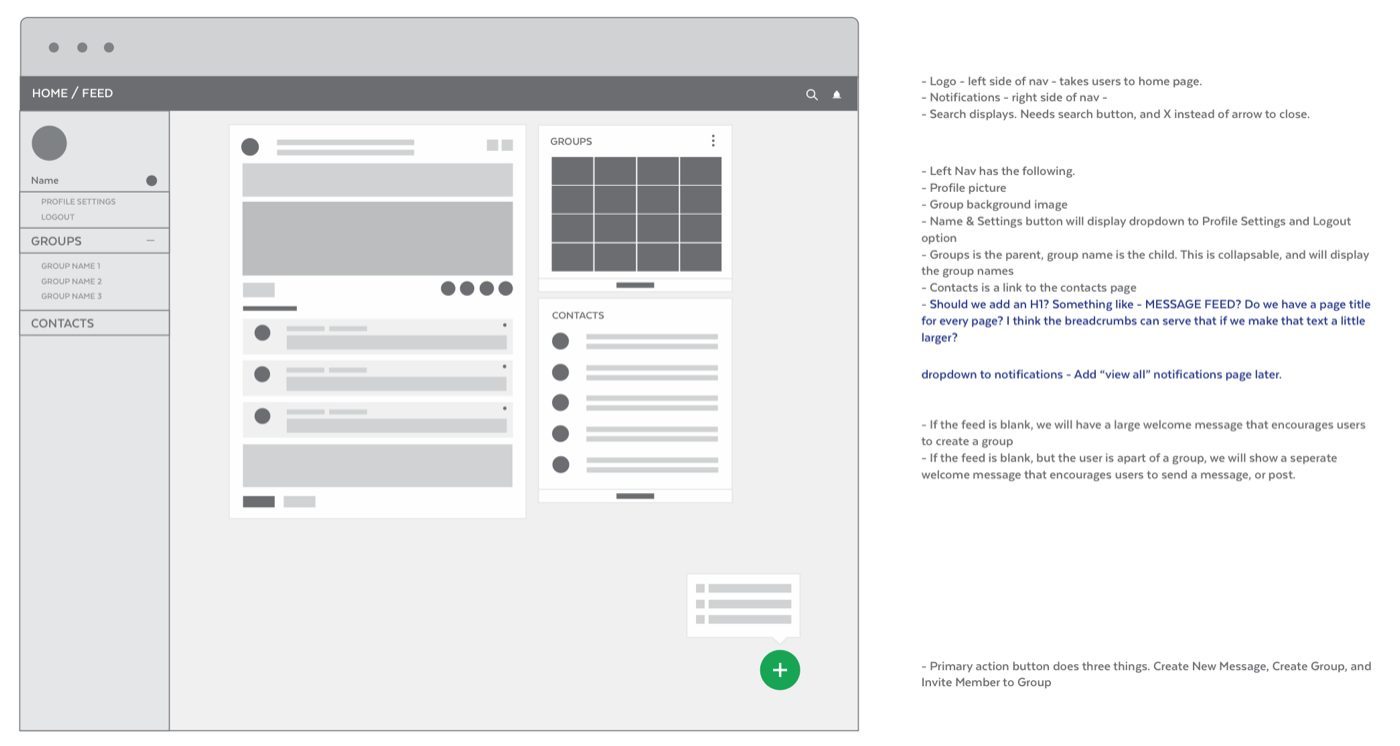
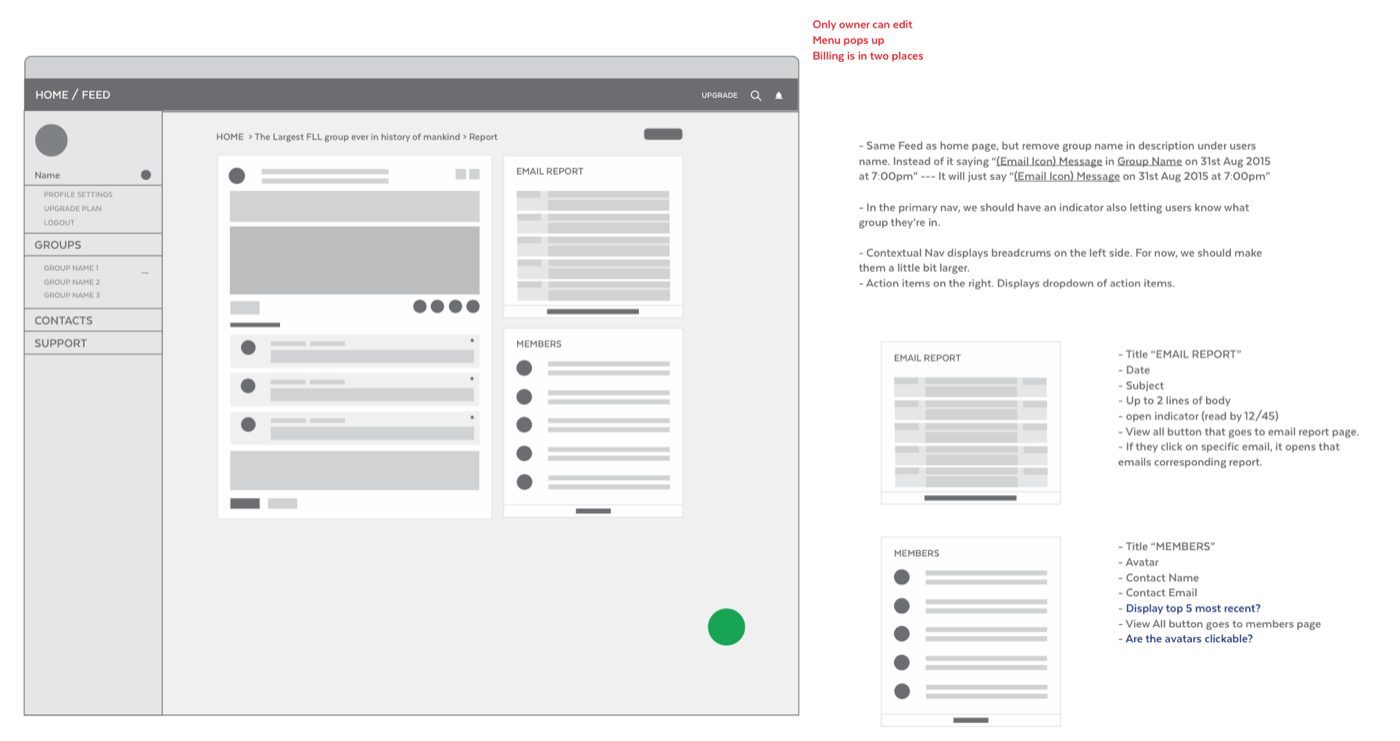
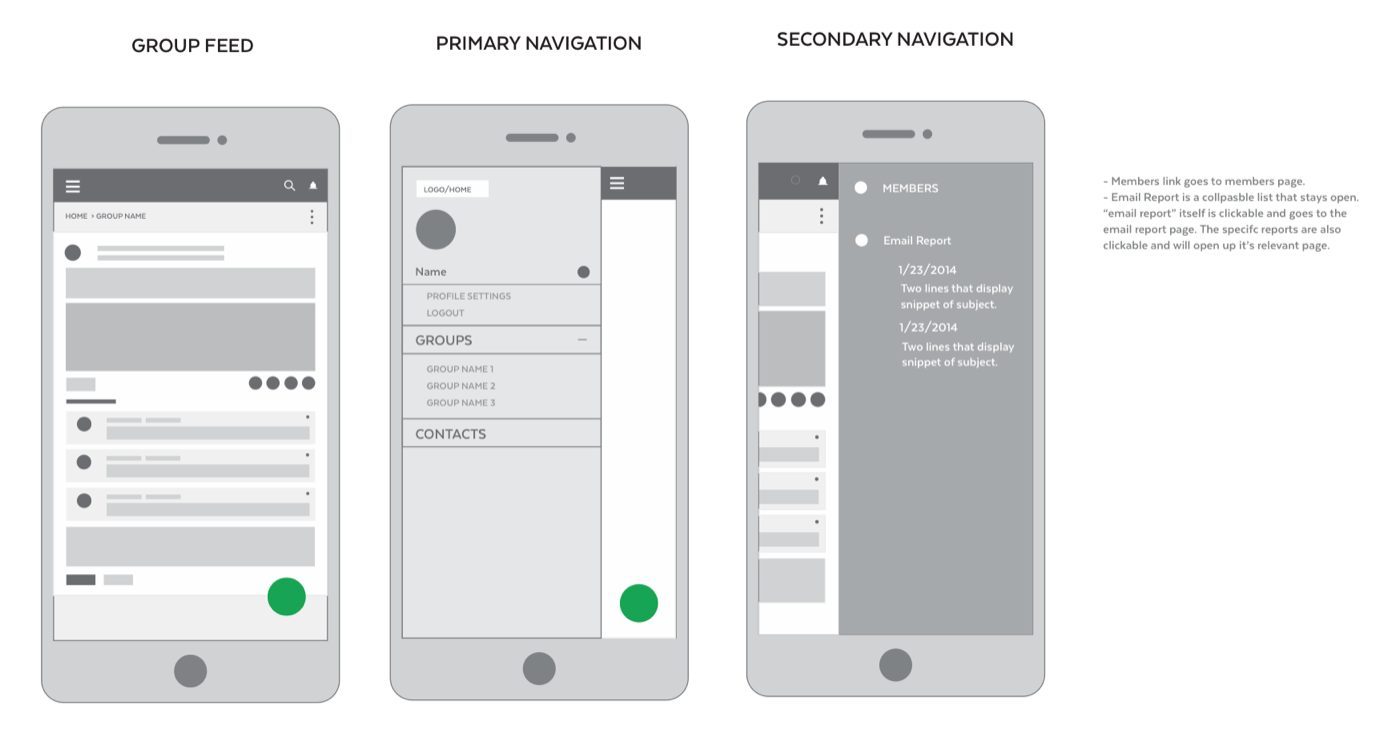
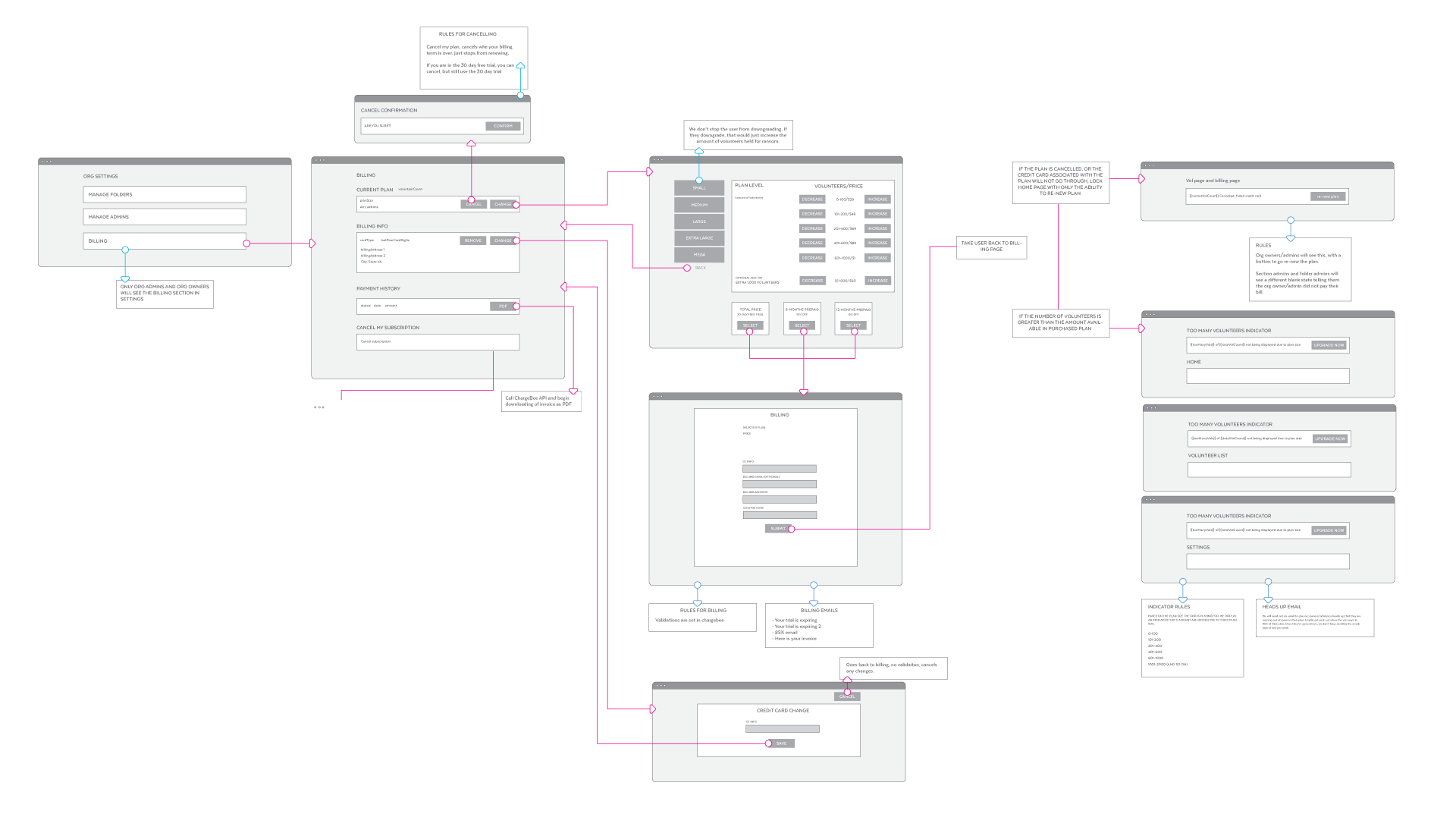
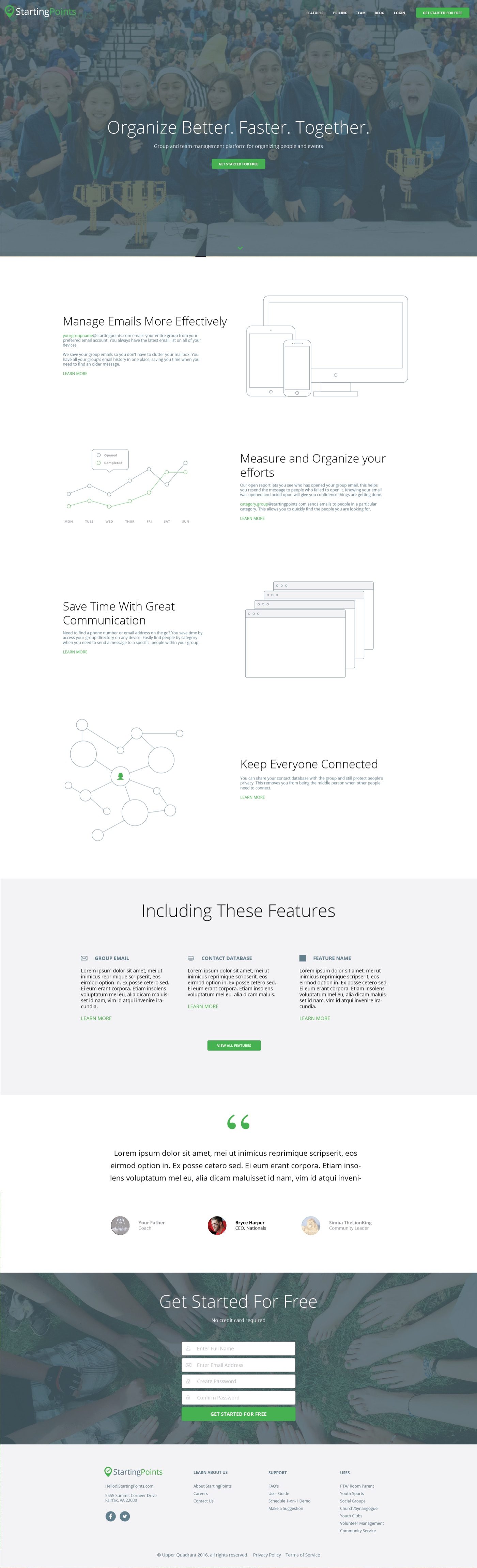
Building volunteer-management software from absolute zero — my most heartfelt project.
I was the sixth person at a small startup, and the only designer. Beyond product design I owned the marketing site, the graphics, and social. Everything started from a blank page, including the company name.
Non-profits, soup kitchens, scout troops, and churches all need to coordinate volunteers, and none of them had a tool that was genuinely usable. The existing options were built for organisations with staff and budget, not for a volunteer coordinator doing this on a Tuesday evening.
Zero to one, at an early-stage startup, as the sole designer. Nothing existed to iterate on and there was no other design opinion in the building.
This project lived and died on research, and the research was face-to-face. I interviewed non-profit leaders directly, opening with simple surveys and conversations to understand how they actually coordinate people.
Then I ran in-person usability tests of low-fidelity prototypes with the very people who would use the product — not a proxy audience, not a recruited panel. I sat with volunteer coordinators and watched them try to do their real job with paper and rough screens. I kept testing and iterating until the UX was genuinely right, and only then moved to high-fidelity mockups and built it with engineers.
Branding and naming as their own exercise. The company name and identity were a full piece of work in themselves, not an afterthought bolted on at launch.
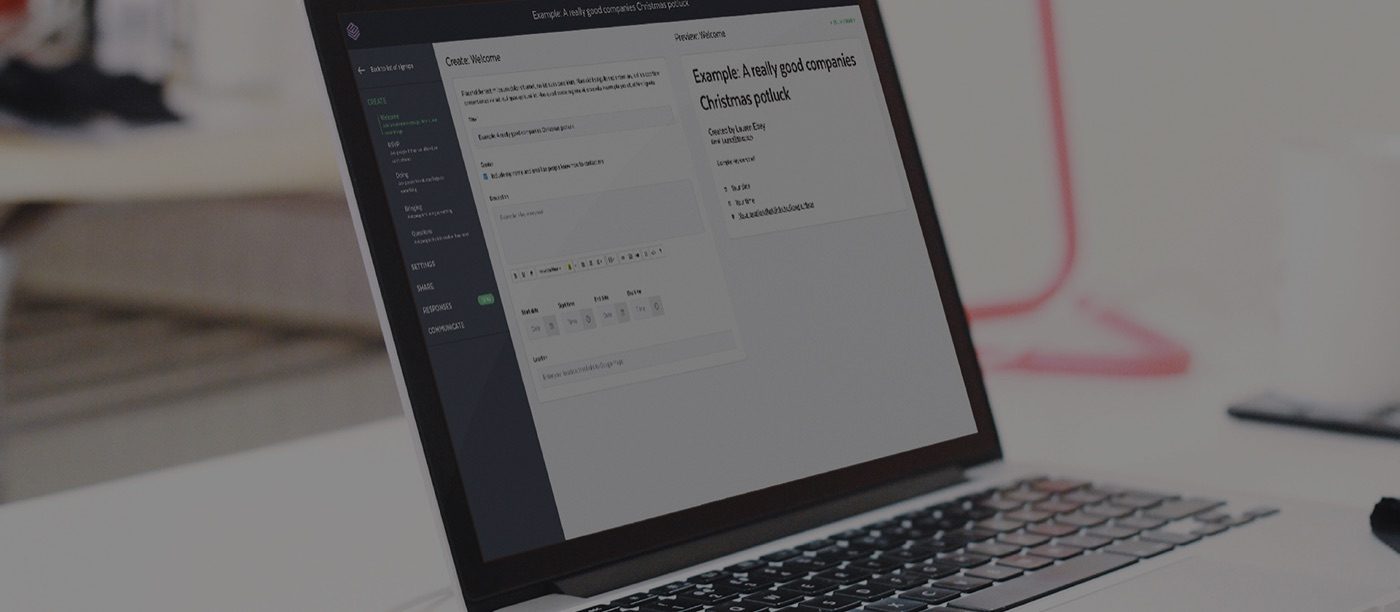
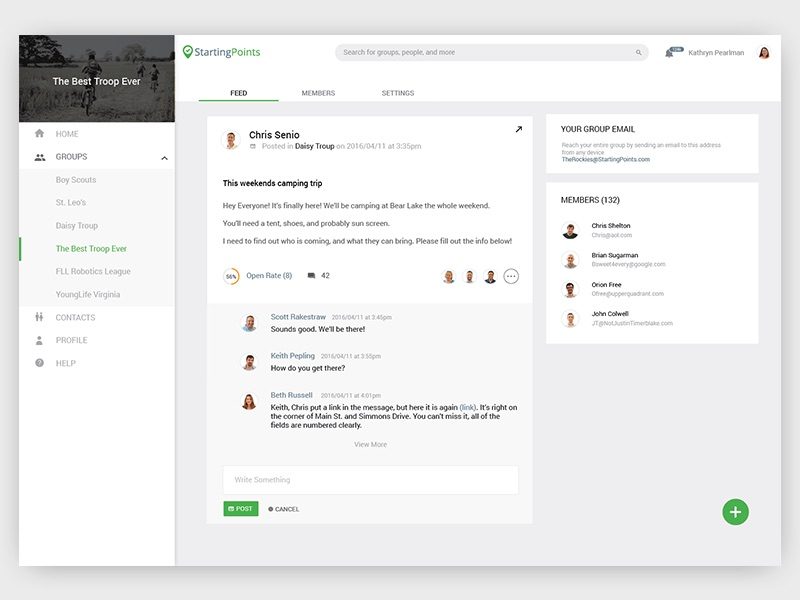
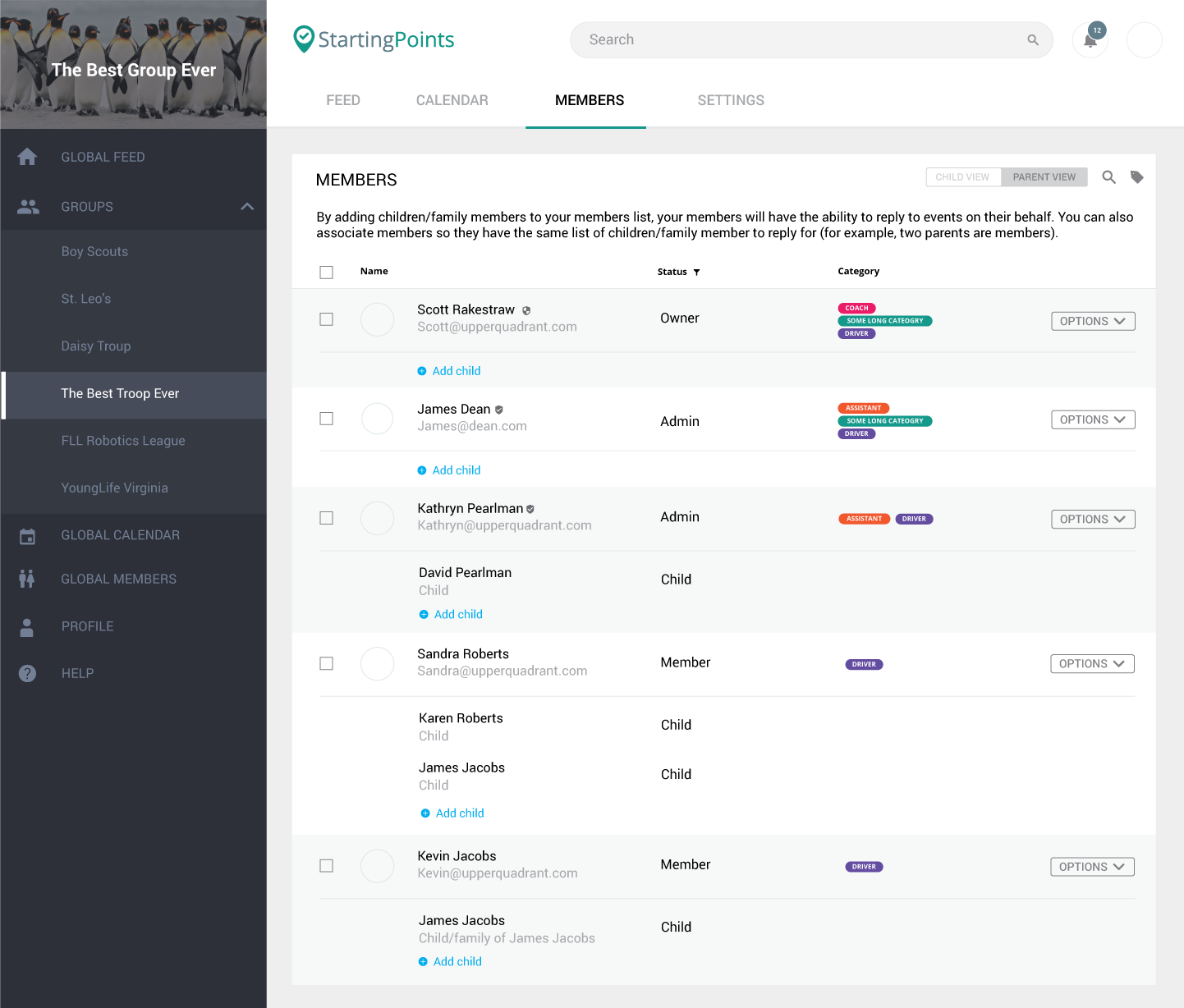
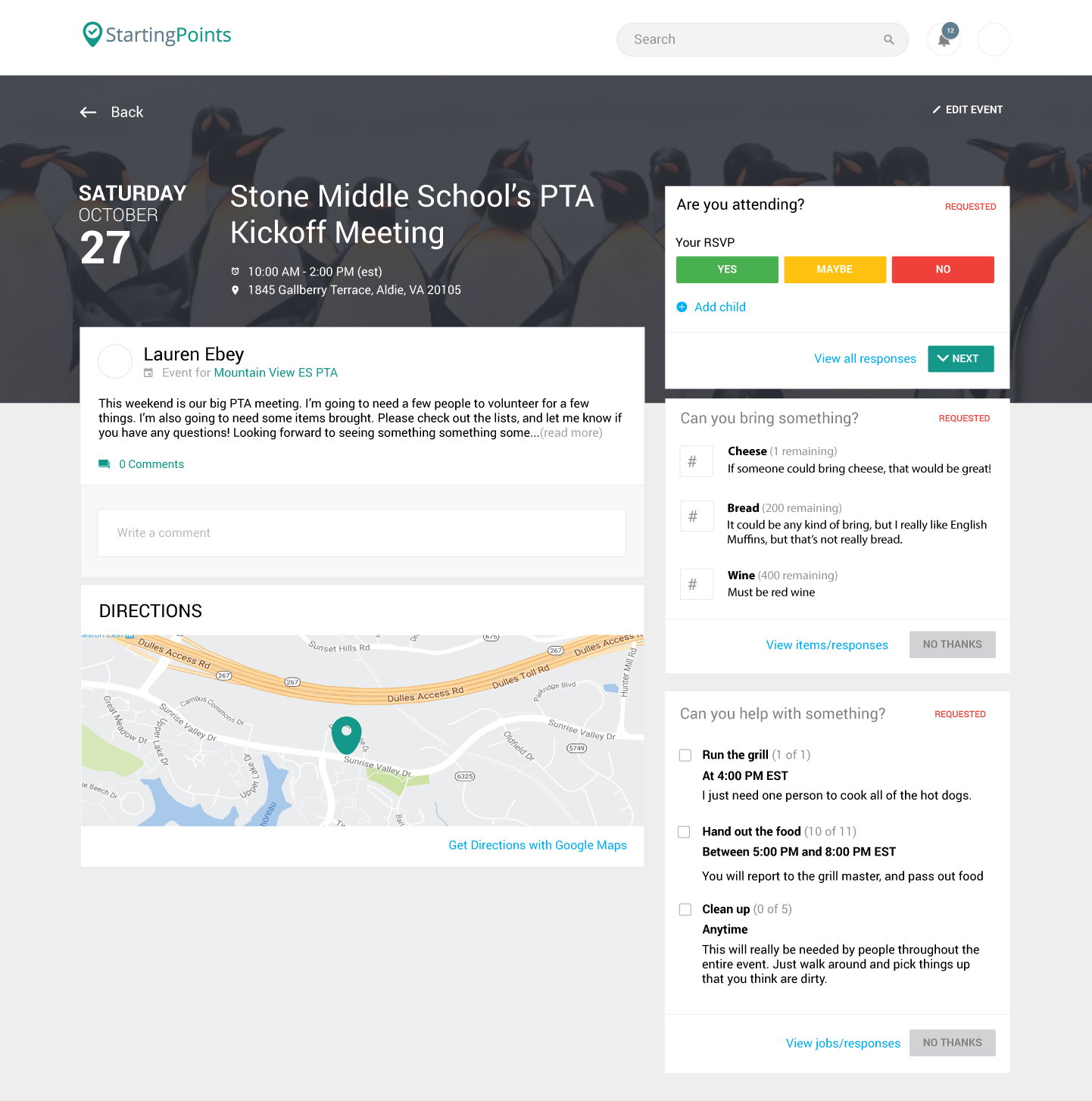
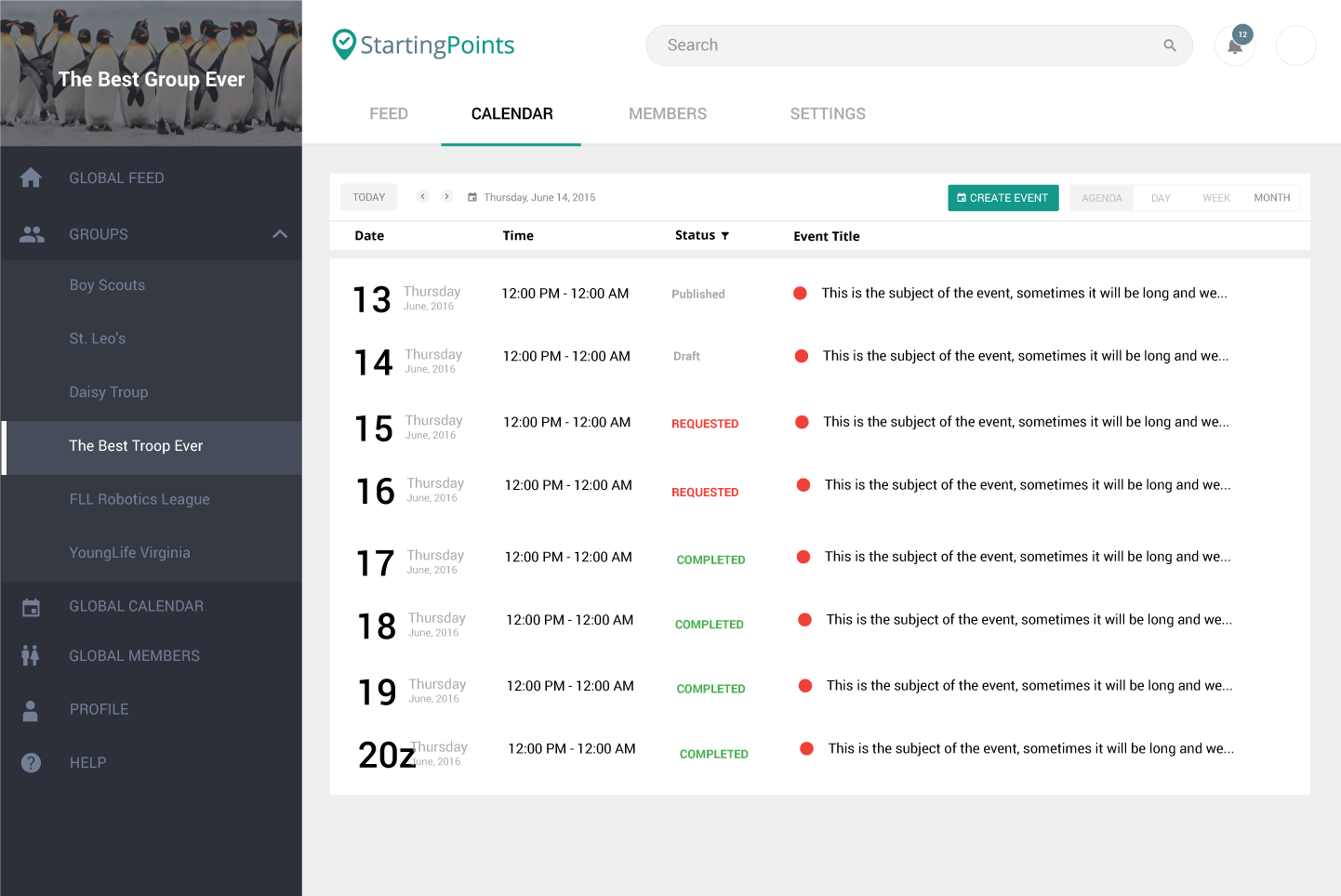
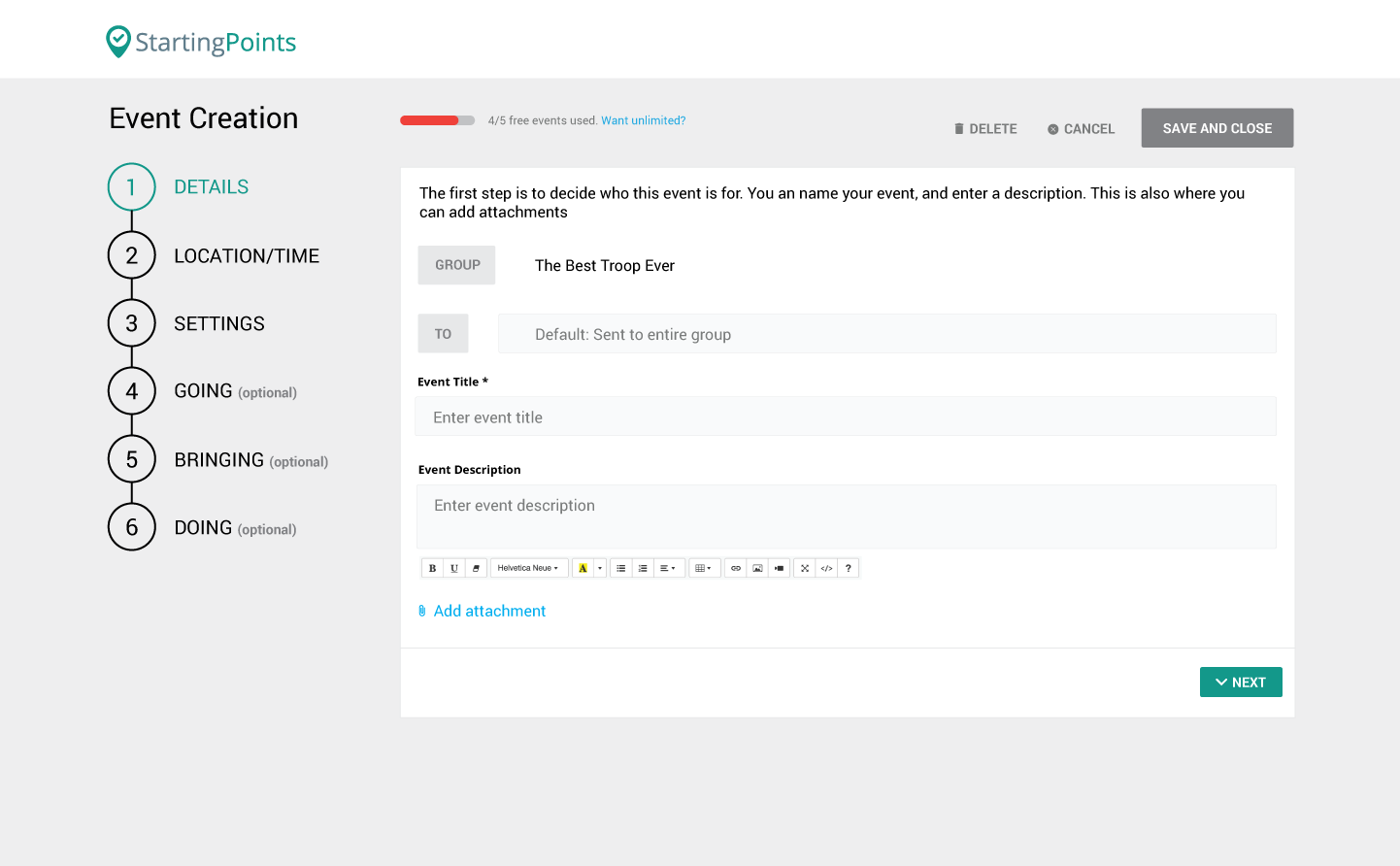
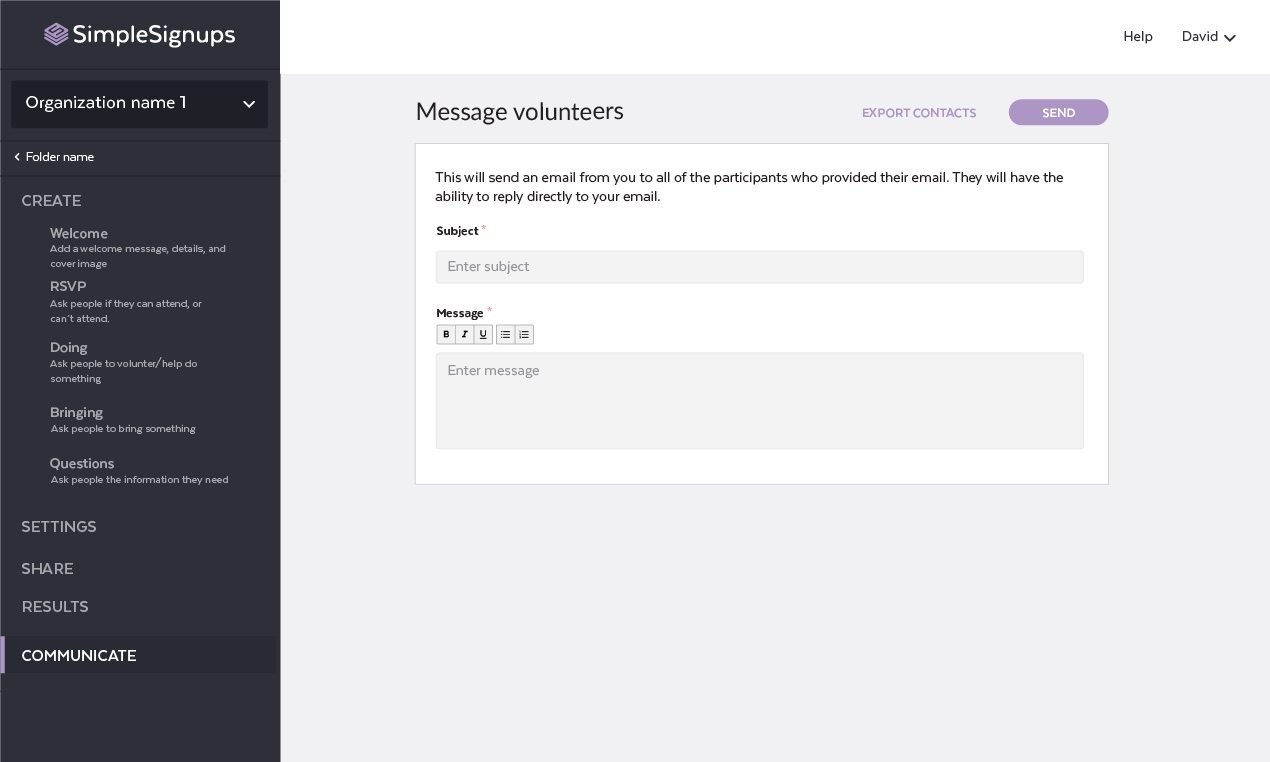
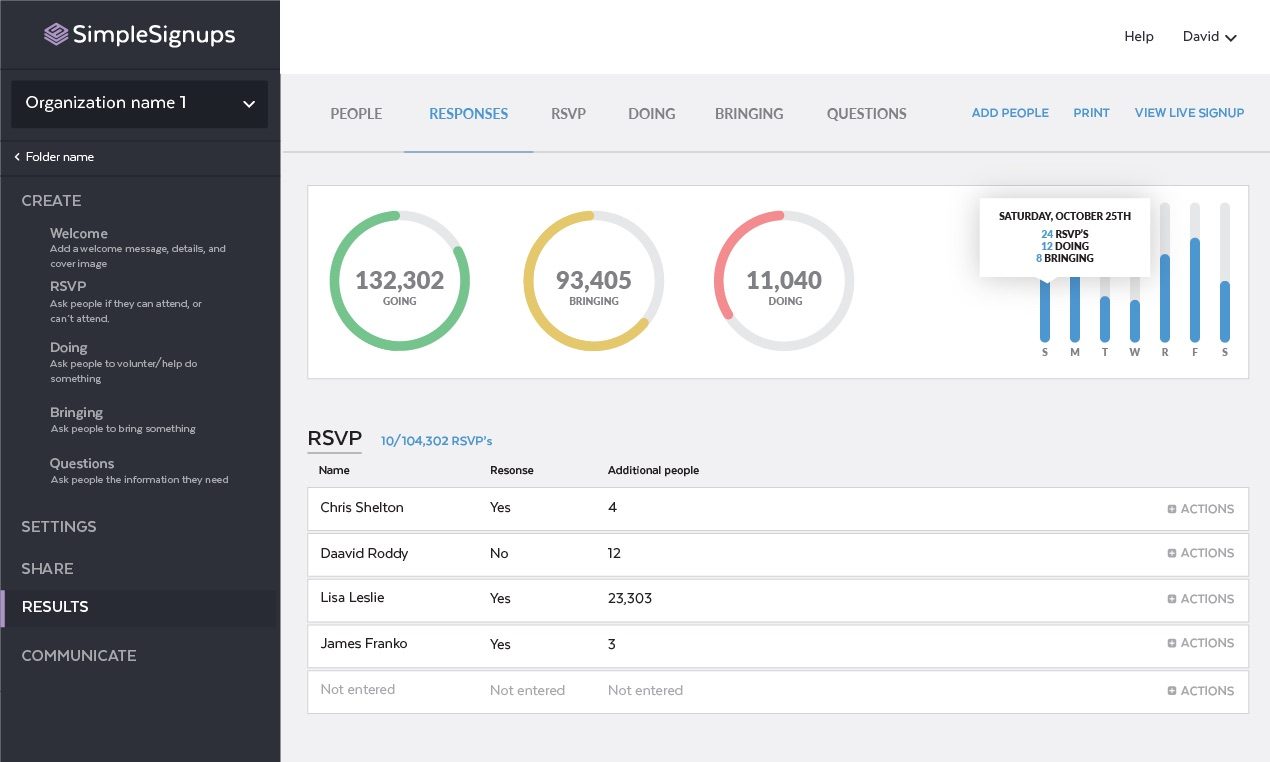
Designing around three questions. The standout feature — simple signup sheets — came straight out of the interviews. We found that volunteer managers need to know just three things: who is going, what they are doing, and what they are bringing. Designing around exactly those three needs is what made the product click. Everything else was noise we could leave out.
We shipped a genuinely useful product with a few thousand users, and the company was acquired before I left.
Four of the larger organisations reported that it increased their volunteer turnout by 60%.
This one mattered because of who it served. Making life easier for people who help other people — and measurably increasing how many people volunteered — was deeply rewarding. Truly an incredible experience.
Field Service SaaS

Proving a vertical bet with A/B testing, then leading the redesign that followed.
Read the case study →