Research & UX
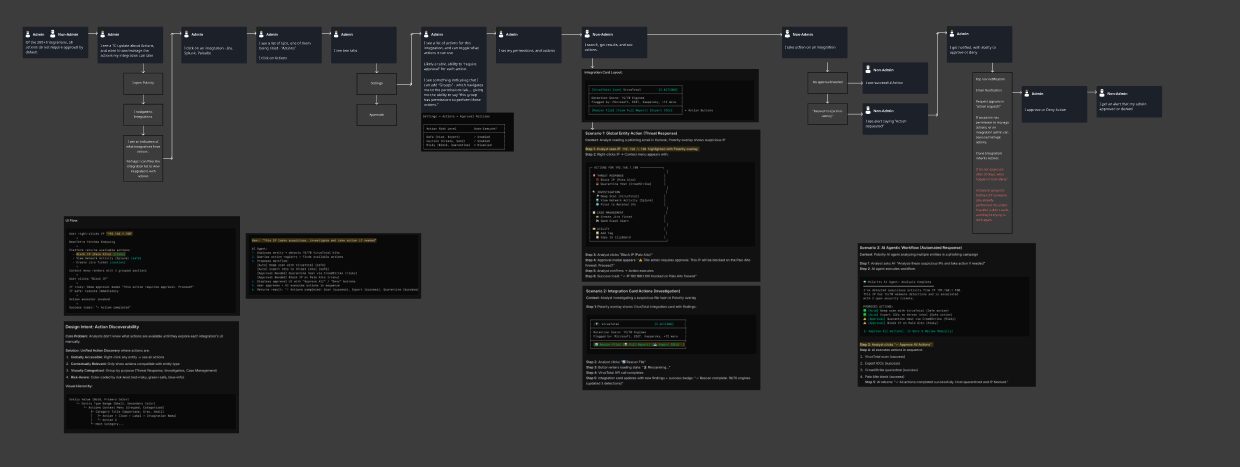
From employee #7 to a $50M+ acquisition — designing a cutting-edge cyber threat-intelligence tool from the ground up.
I joined Polarity in 2017 as the seventh employee, owning both product design and the marketing function. Over the following seven years the company was acquired twice — first by ThreatConnect, then by Dataminr — and is now on a trajectory toward IPO. I work today with the parent company’s team on product design, design systems, and design research, still shipping new cybersecurity features.
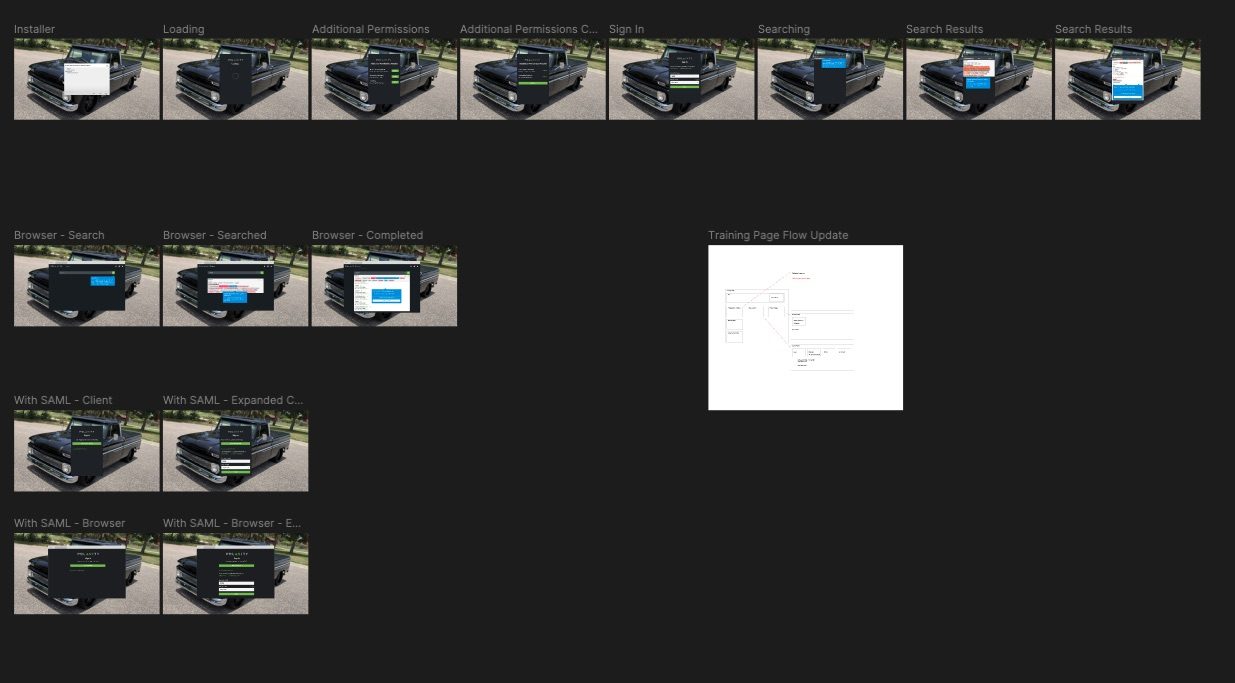
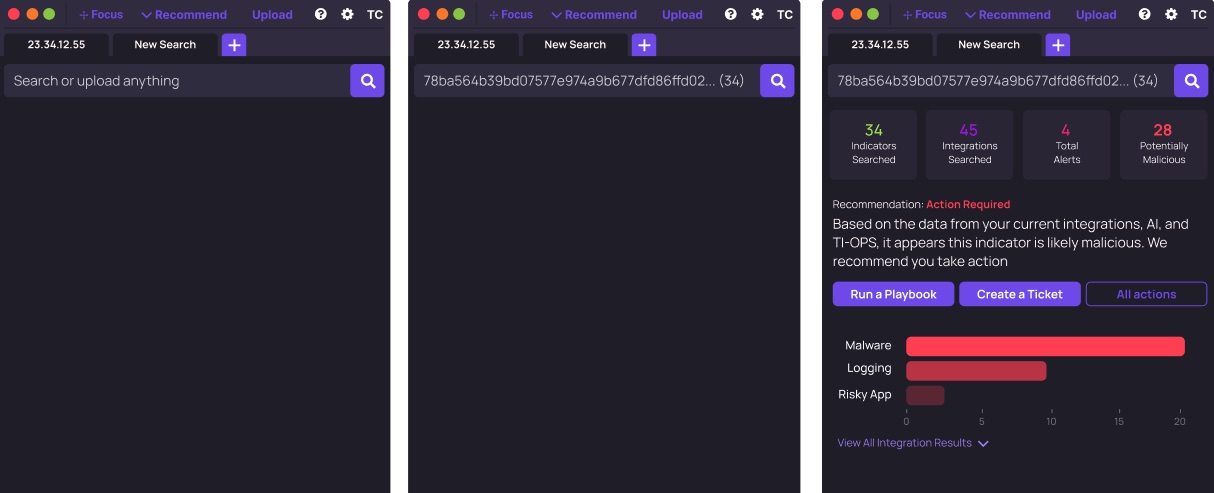
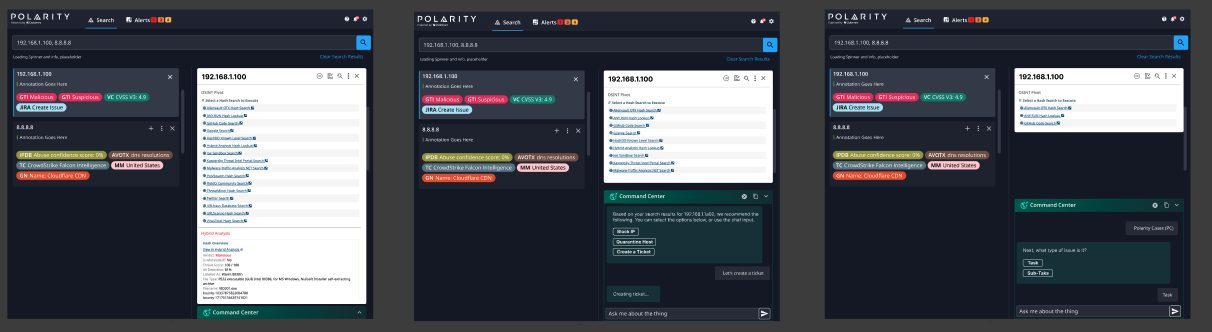
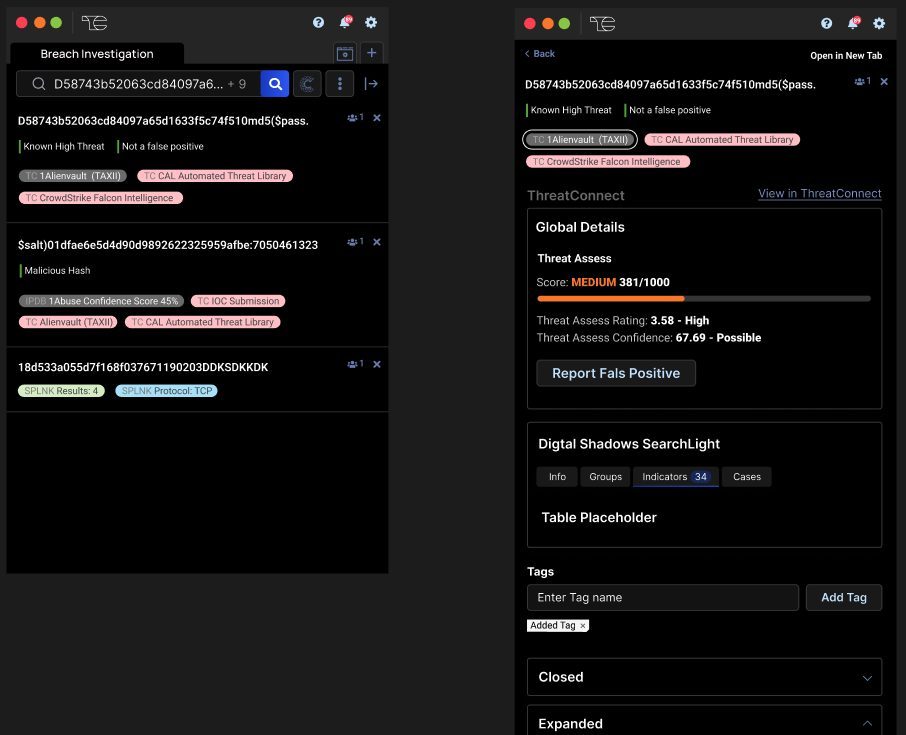
The product was an OCR-powered cyber tool that let teammates tag threats in place. The core idea was genuinely powerful, but the thing itself was bare-bones: essentially no marketing behind it, and a product experience with a lot of room to mature.
A tiny team, and a split mandate. My time went to the engineering side and to working directly with C-level leadership, often in the same week. The workflows themselves were dense and high-stakes — analysts using this are making calls under real pressure, and the interface either helps them or gets in the way.
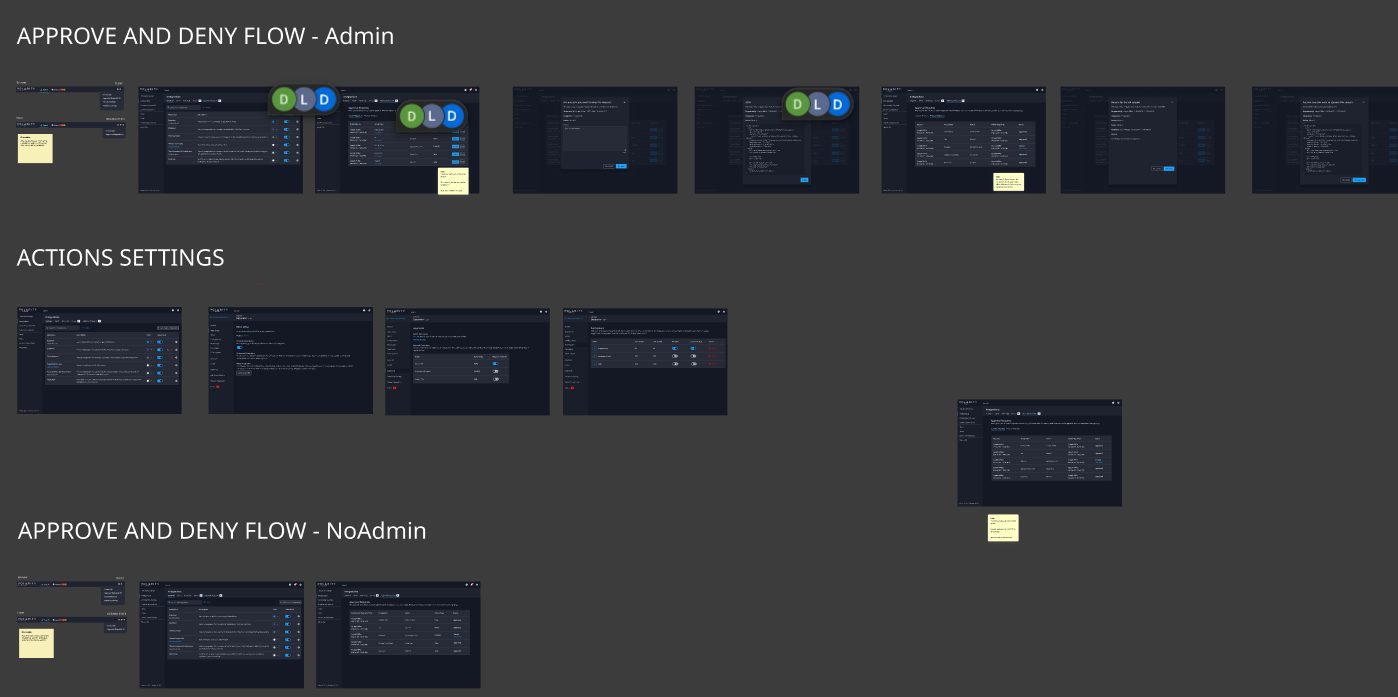
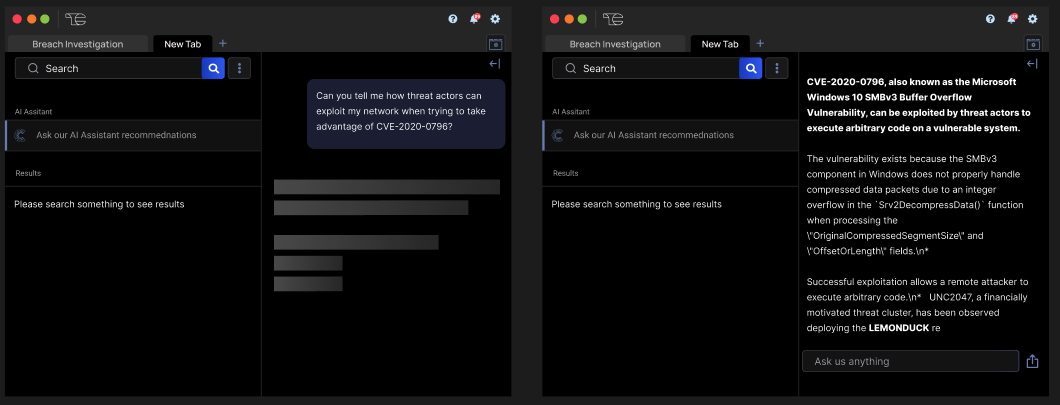
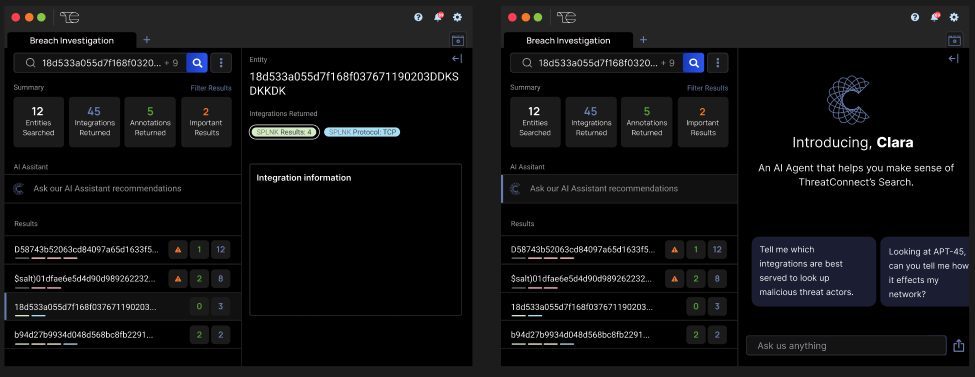
What made this different from any other role I’ve had was position. I sat shoulder-to-shoulder with engineering on planning and architecture while staying close to customers, mapping pain points, building low-fidelity prototypes, running usability testing, and shipping features iteratively over a period of years rather than sprints.
Being embedded on both the engineering and executive sides is why design decisions moved fast and then actually stuck. There was no handoff gap to fall through, and no translation layer between what customers said and what got built.
A coded style guide living inside the dev environment. Rather than maintaining a design file that drifted from production, I built the style guide in code, in the repo, where design could own and maintain it directly. It cut development time and kept design and engineering genuinely in sync.
Sequencing the roadmap on evidence. I prioritized several major features using direct user research, which gave stakeholders something concrete to sequence against instead of competing intuitions.
Features that helped grow the company to a $50M+ acquisition, and a design practice that survived two changes of ownership.
Going from employee seven toward IPO, spanning engineering and executive work the whole way, is the most formative stretch of my career. Seven years on one product teaches you things a series of shorter engagements simply cannot.
Volunteer Management
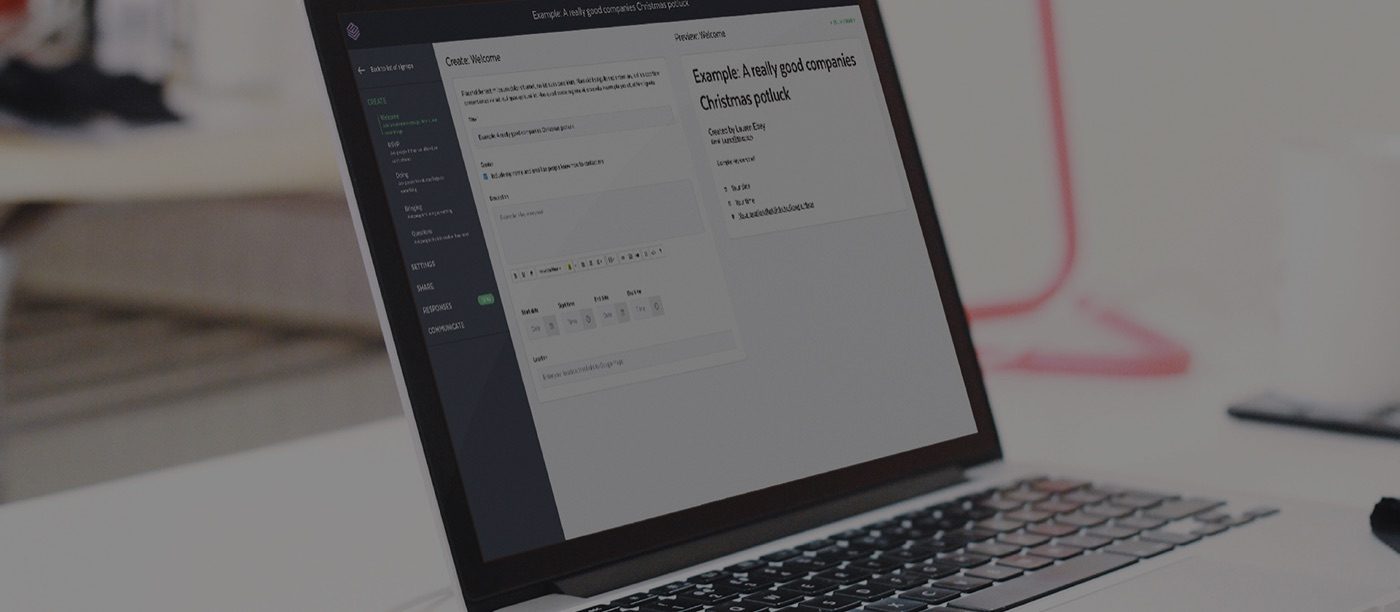
Research-led product design for non-profits, soup kitchens, and scout troops.
Read the case study →